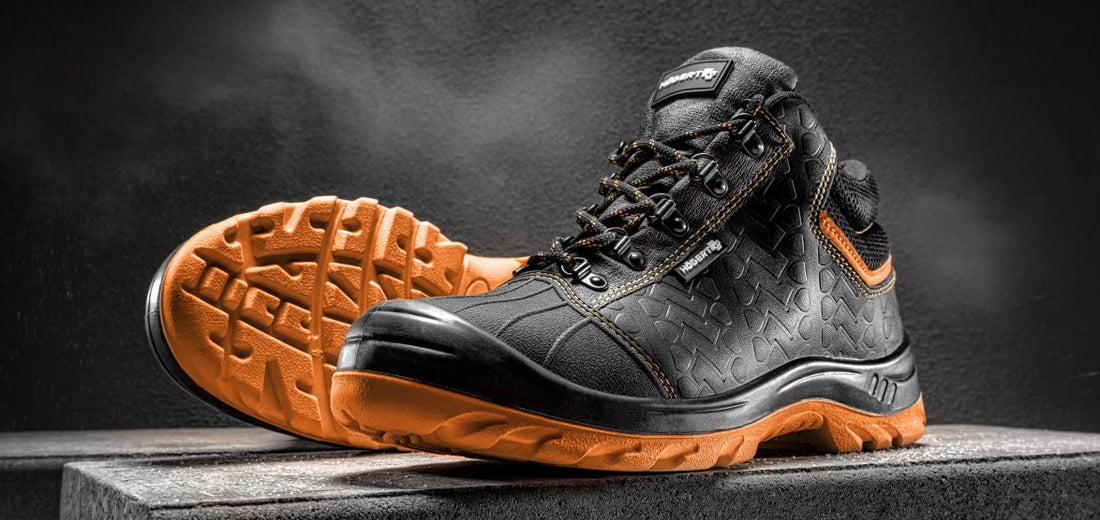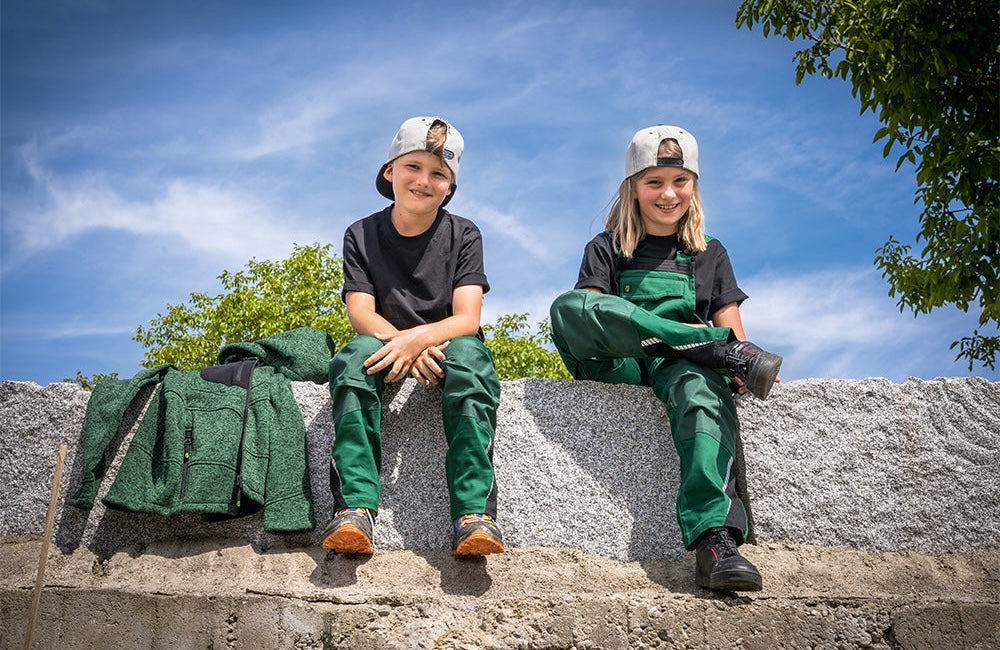

In everyday business, it is often forgotten that protective workwear is a key link in the chain of workplace safety. Although it may seem like a routine obligation, its role in preventing injuries and preserving the health of workers cannot be underestimated.
Every work environment carries certain risks, whether it is exposure to high or low temperatures, possible chemical incidents, mechanical injuries or poor visibility in low light conditions. In such situations, even the slightest oversight can lead to serious consequences, both for the worker and the employer, in terms of liability, financial costs, and even stopping the production process.
Occupational Safety and Health Act
In the Republic of Croatia, the Occupational Safety and Health Act stipulates the obligations of employers in terms of occupational safety. One of the key obligations of employers is to provide protective equipment , including protective clothing, to all workers whose work involves risks that cannot be eliminated by work organization or technical measures.
Protective work clothing must, according to the law:
- respond to specific workplace risks (e.g. protection from heat, chemicals, electricity),
- be in accordance with applicable European standards,
- be available to workers at no additional cost,
- be regularly maintained and replaced whenever necessary.
Additionally, the law requires the employer to educate workers on the proper and safe use of personal protective equipment, as the equipment is only useful if it is used properly.

Purpose of protective work clothing
Workers who handle tools, machinery or materials are susceptible to injuries, ranging from minor scrapes to more serious cuts or bruises. Workwear with reinforcements in sensitive areas such as knees, elbows and forearms significantly reduces the risk of such injuries.
Reducing the risk of injury
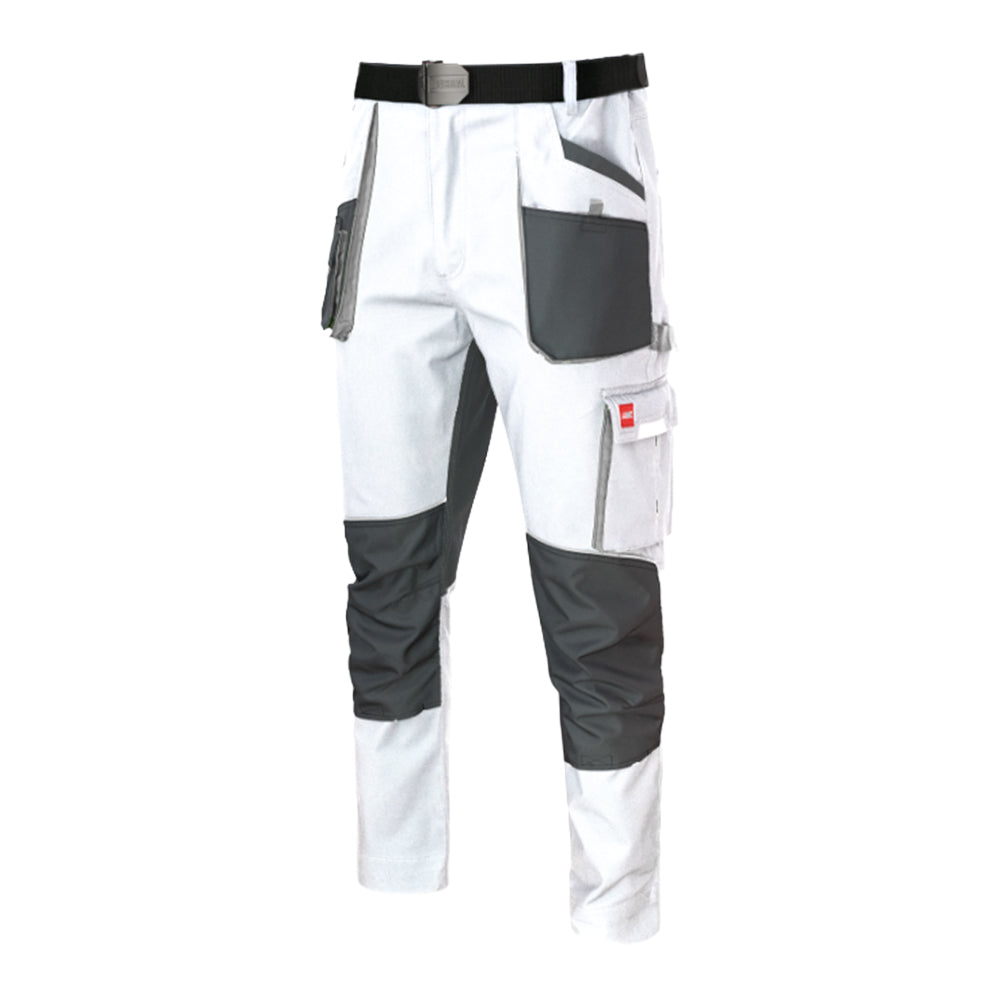
Work pants with reinforced knees , abrasion-resistant jackets , and long-sleeved protective shirts prevent cuts, scrapes, or other injuries that occur due to physical contact with tools, machinery, or sharp objects.
Protection from external influences
In some jobs, workers are exposed to heat, humidity, cold and chemicals, so it is important to use adequate work clothing made of specialized materials. This clothing must be fire-resistant, waterproof, anti-static and thermally insulating. For example, electricians need clothing that will not conduct electricity, while workers in the chemical industry must be protected from potential splashes of hazardous substances.
Increasing visibility
A special category of protective clothing is hi-vis equipment: reflective jackets , work vests and work trousers . In low light conditions, in traffic or on construction sites, high visibility of workers literally saves lives. Reflective details are not just an accessory - they allow a truck driver, crane operator or colleague on the excavator to notice you in time.

Choosing the right protective workwear
Choosing protective clothing is not about buying the first jacket or pants labeled "workwear." It's a decision that must be based on the real conditions and hazards of the specific workplace. Good workwear is not just functional—it must be focused on protection, comfort, and long-term use.
First – risk assessment
It all starts with a workplace analysis. What are the most common hazards? Is the work near machinery, chemicals, high-voltage installations, outdoors or indoors? The answers to these questions determine whether you need, for example:
- antistatic clothing for electricians
- chemically resistant materials for laboratory work,
- thermally insulated jackets and pants for working in low temperatures.
Without understanding the actual risk, it is easy to choose clothing that does not provide enough protection – or that unnecessarily burdens the worker.
Certificates are not just a formality
Quality protective clothing must have valid certificates of compliance with European standards. For example:
- EN ISO 20471 – high visibility,
- EN 343 – protection against rain and moisture,
- EN 11612 – protection against heat and flame,
- EN 1149 – antistatic properties.
These certificates guarantee that the clothing has been tested under real-world conditions and provides the level of protection required by law and practice. Choosing clothing without the appropriate labels is an unnecessary risk – for both workers and employers.
Added value of protective clothing
In addition to ensuring protection and safety, protective workwear brings with it numerous additional benefits for employers and the organization as a whole.
Protective clothing must be worn for long hours, often in demanding conditions. If it is uncomfortable, too heavy, too tight or does not breathe, workers will not be happy to wear it, no matter how much protection it provides.
That is why it is important to:
- the cut allows for free movement,
- materials are breathable but resistant,
- the clothes have enough pockets, reinforcements and functional accessories.
When a worker feels comfortable and safe, they work better and more efficiently. This is a benefit that is not immediately visible but is very much felt in the long term in terms of productivity and employee satisfaction.
Professional appearance of employees
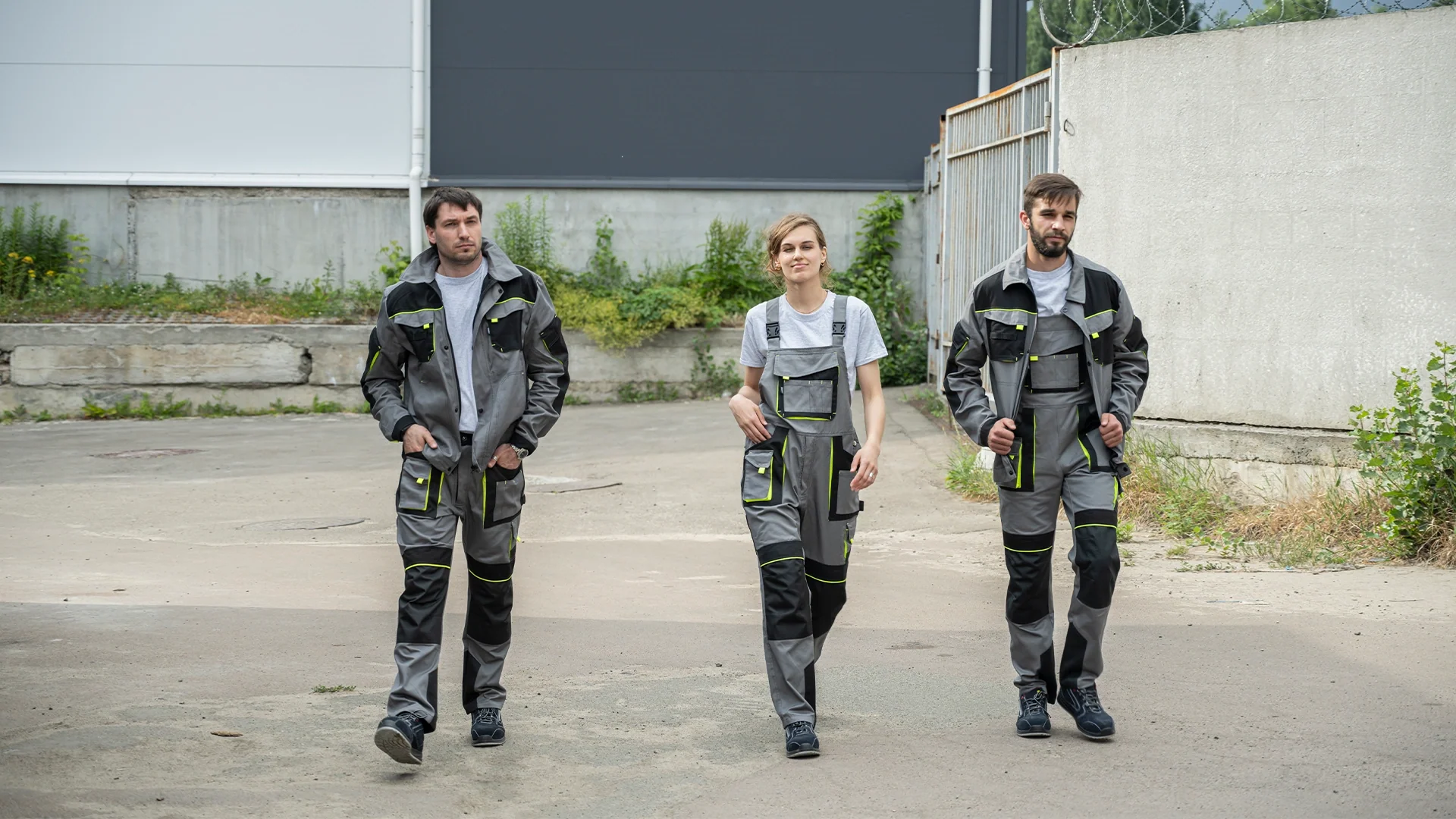
Uniformed workwear creates an impression of neatness, consistency and professionalism. Customers, clients and partners immediately recognize the employee, which increases trust and facilitates communication. Especially in sectors such as logistics, service, construction and retail, a good first impression often makes the difference.
Branding and company identity
By introducing personalized workwear with the company logo , corporate identity colors, and recognizable details, you further strengthen the visual identity of your brand. Such solutions are not only aesthetically pleasing, but also help with market recognition and strengthen team spirit among employees.
MIJO workwear offers the possibility of creating personalized clothing solutions, including embroidery or screen printing services for company names, crafts, names, emblems on suits, hats, and T-shirts.
Long-term savings through injury prevention
Although investing in quality protective clothing sometimes seems like an expense, in practice it brings significant financial savings. Reducing the number of injuries means:
- fewer sick days,
- fewer claims,
- lower insurance and reimbursement costs.
When employees know they are protected, they feel safer and more motivated, which positively affects their efficiency and loyalty to their employer.

Protection that's worth more than the price
Protective workwear is not just a legal requirement, it is a long-term business decision. Properly selected and high-quality clothing increases safety, reduces the risk of injury, improves the company's image and saves money in the long run.
By investing in clothing that is comfortable, functional, certified and aligned with specific working conditions, you show that you care about your employees, and this always comes back many times over, through greater satisfaction and better results.
If you are looking for a reliable partner to equip your team, MIJO workwear offers proven solutions for all industries from basic protective equipment to advanced personalization, with expert support and fast delivery.